
- Home
- /
- Why It Matters
Why It Matters
- The Legal responsibility
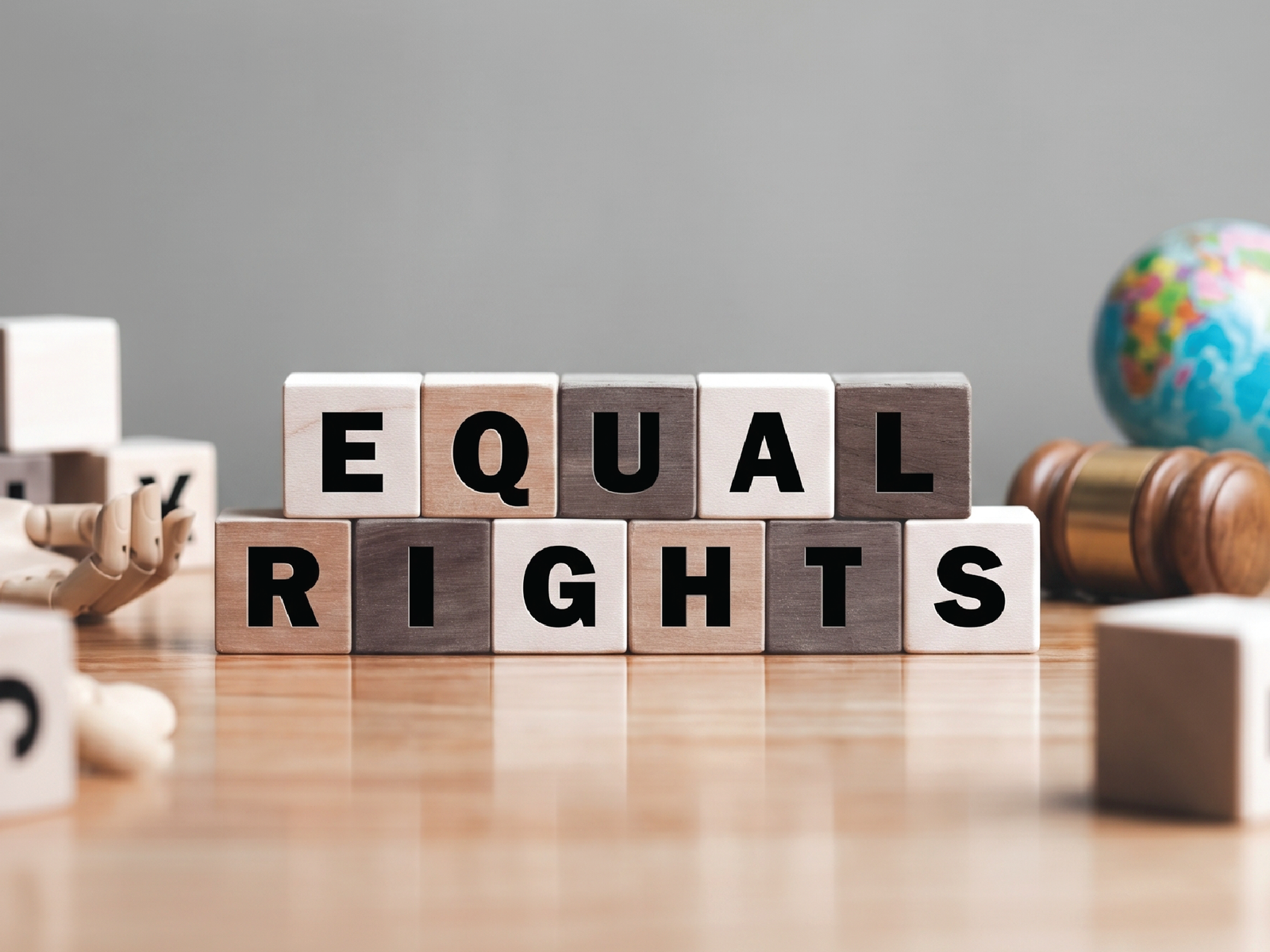
The Equality Act 2010
The Equality Act 2010 requires employers to treat people fairly and make reasonable adjustments where needed. This includes support for ADHD, menopause-related symptoms, mental health conditions, and long-term illness where they meet the legal definition of disability.
Getting this right early prevents small concerns from becoming formal grievances or tribunal claims. More importantly, it builds trust, clarity, and organisational stability.
When leaders understand their responsibilities, they lead with confidence.
- Government-Funded Support
The Business Case for Early Action
Supporting employees proactively is not just compliance; it is commercial intelligence.
Organisations that act early benefit from:
Reduce Legal Risk
Prevent grievances and tribunal claims by understanding your duties before issues escalate.
Retain Skilled People
Early support reduces burnout, absence, and unnecessary turnover.
Strengthen Performance
Inclusive environments increase engagement, creativity, and team stability.
Build Credibility
Stay ahead of evolving employment law and demonstrate responsible leadership.
- Fair treatment across the employee journey.
What the Law Covers
The Equality Act protects individuals from discrimination based on characteristics such as age, disability, race, sex, religion or belief, pregnancy and maternity, sexual orientation, gender reassignment, and marriage or civil partnership.
It applies to:
- Recruitment decisions
- Pay and promotion
- Training and development
- Performance management
- Disciplinary procedures
- Redundancy and everyday workplace treatment


- Removing barriers is a legal requirement.
Your Duty to Make Reasonable Adjustments
Employers must make reasonable adjustments for employees with disabilities to reduce workplace disadvantages. Failing to do so can lead to discrimination. Taking early action benefits both employee well-being and organizational credibility.
- Flexible working arrangements
- Quiet or low-stimulation spaces
- Clear written instructions
- Adjusted workloads
- Assistive technology
- Remote or hybrid options
- Compliance builds culture
Why It Matters for Employers
The Equality Act exists to create safe and fair workplaces. When applied effectively, it helps organisations:
- Reduce grievances and disputes
- Improve retention and morale
- Strengthen psychological safety
- Attract diverse and high-performing teams
- Remain credible in a changing legal landscape
Inclusion is not restrictive; it is a leadership advantage.